Cockroach Treatment and Extermination
If you discover that you have a cockroach infestation, you may be tempted to try and deal with it on your own. We would, however, strongly urge against this; both in a residential and commercial setting. Due to cockroaches’ adaptive, highly survivable nature, you are best served by calling in a professional, full-service pest control company. And when you want the best, only Epic Pest Control will do!
Epic Pest Control is an industry leader in cockroach treatments and has developed highly effective methods for identifying, targeting, and eradicating cockroach infestations. Our expertise may include a combination of chemical treatments, traps, baits, and integrated pest management strategies tailored to the specific needs of our clients. Additionally, we offer preventative measures to help minimize the risk of future infestations. If you’re dealing with a cockroach problem, give us a call!
 Free Inspection & Quotation
 Full-Service Pest Control
 Always Discreet
 Unmarked Service Vehicles
Cockroach Treatment Plan
Epic Pest Control can provide both residential and commercial customers with a multistage treatment plan.
Effective Treatment
We know that cockroach infestations are unpleasant, unsettling and cause you to worry about the health of you and your loved ones, and that’s why Epic Pest Control is committed to providing you with a safe and effective treatment plan executed by seasoned professionals. We only use the best technology and methods and fully back up our work.
If you need help with an infestation, make sure your first (and only!) call is to the professionals at Epic Pest Control.
Cockroaches in Ontario, Canada
Cockroaches are widespread in Ontario and can be found in various environments, including homes, commercial properties, restaurants, sewers, and other areas where food and moisture are plentiful. They are resilient insects that can thrive in diverse conditions, making them a common nuisance for many residents and businesses in the region.
In Ontario, Canada, you can find several species of cockroaches. The most frequently encountered species include:
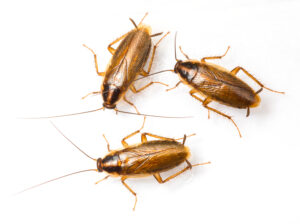
German Cockroach
(Blattella Germanica)
These are small, light brown or tan cockroaches with two dark stripes running down their backs. They are commonly found in kitchens, bathrooms, and other areas with food and moisture.
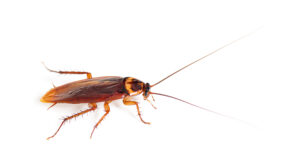
American Cockroach
(Periplaneta Americana)
These are larger cockroaches, reddish-brown in color, with a distinctive yellowish figure-eight pattern on the back of the head. They prefer warm, damp environments such as basements, sewers, and around garbage areas.
Oriental Cockroach
(Blatta Orientalis)
These cockroaches are dark brown to black in color and are commonly found in damp, cool areas such as basements and crawl spaces.

While these are the most frequently encountered species, there are other cockroach species that may occasionally be found in Ontario as well.
How to Spot a Cockroach Infestation
Discovering a cockroach infestation can be unsettling and unpleasant. These resilient pests can invade your home or business, posing health risks and creating a persistent nuisance. Here are some key signs to help you identify if you might be dealing with a cockroach infestation:
Droppings
Cockroach droppings resemble small black or brown specks or pellets. You may find them in areas where cockroaches frequent, such as kitchen cabinets, drawers, or behind appliances.
Odor
Cockroaches emit a musty odor, particularly when present in large numbers. If you notice an unusual, unpleasant smell in your home, it could be a sign of a cockroach infestation.
Egg Casings
Cockroach egg casings, also known as oothecae, are often found in hidden areas such as behind furniture, in cabinets, or along baseboards. They are elongated and may be brown or tan in color.
Live Cockroaches
Spotting live cockroaches, especially during the daytime (as they are nocturnal), is a clear sign of an infestation. Check areas such as kitchens, bathrooms, and basements.
Smear Marks
Cockroaches produce oily secretions that can leave smear marks on surfaces as they travel along walls and baseboards. These marks may appear dark and irregular.
Damage
Cockroaches may cause damage to food packaging, books, or other materials as they feed. Look for signs of gnaw marks or small holes.
Shed Skins
Cockroaches shed their exoskeletons as they grow. Finding these shed skins, especially in areas where cockroaches are active, indicates their presence.
If you notice any of these signs, it’s important to take action promptly to address the cockroach infestation. This may involve thorough cleaning, sealing entry points, and possibly using bait or insecticides to eliminate the roaches.
How Cockroaches Enter Your Home
Cockroaches are incredibly resourceful and can find numerous ways to infiltrate homes and properties. Their small size and nocturnal habits make it easy for them to enter unnoticed, and once inside, they can quickly become a persistent problem. Understanding how these pests gain access to your space is the first step in preventing an infestation. Here are some common ways cockroaches can make their way into your home:
Through Cracks and Crevices
Cockroaches are adept at squeezing through small openings in walls, floors, and foundations. They can enter buildings through gaps around doors and windows, cracks in walls, or spaces around utility lines.
Via Infested Items
Cockroaches may hitch a ride into your home on items such as grocery bags, cardboard boxes, or secondhand furniture that were previously infested.
Through Drains and Sewers
Cockroaches can enter buildings through sewer pipes, drains, and plumbing systems. They are attracted to moisture and may travel through sewer lines to gain access to buildings.
From Neighboring Properties
If neighboring properties have cockroach infestations, the insects may migrate to nearby buildings in search of food, water, or shelter.
To prevent cockroaches from entering your home or property, it’s important to seal potential entry points, maintain cleanliness, and address any moisture issues. Regular inspection and maintenance can help identify and address potential entry points before a significant infestation occurs.
What Do Cockroaches Eat?
Cockroaches are scavengers and can feed on a wide variety of organic matter found in homes and properties. Their diet typically includes:
Food Scraps
Cockroaches are attracted to leftover food and crumbs, particularly those found in kitchens and dining areas. They will feed on almost any type of food, including grains, meats, fruits, vegetables, and sweets.
Pet Food
Cockroaches may also feed on pet food left out in dishes or stored improperly. This includes both dry pet food and wet food.
Starchy Materials
Cockroaches have been known to feed on starchy items such as book bindings, cardboard, and paper products. They may also consume fabrics, glue, and other organic materials.
Decaying Organic Matter
Cockroaches are attracted to decaying organic matter such as rotting fruits and vegetables, compost, and garbage. They may also feed on dead insects or animals.
Grease and Oil
Cockroaches are drawn to grease and oil residues, which can accumulate in areas such as kitchen counters, stovetops, and appliances.
Soap and Toothpaste
Some species of cockroaches are known to feed on soap residues and toothpaste, especially if they are scented or flavored.
To discourage cockroaches from feeding in your home or property, it’s important to practice good sanitation habits, store food in sealed containers, clean up spills promptly, and eliminate sources of standing water. Additionally, reducing clutter and sealing cracks and crevices can help prevent cockroaches from accessing food sources and hiding places.
Health Risks and Damage Caused by Cockroaches
Cockroaches can pose several health concerns and may cause damage in homes and properties:
Allergies and Asthma
Cockroach droppings, shed skins, saliva, and decomposing bodies contain proteins that can trigger allergies and exacerbate asthma symptoms in sensitive individuals. Exposure to cockroach allergens has been linked to asthma attacks, especially in children.
Spread of Pathogens
Cockroaches can carry and spread various pathogens, including bacteria, viruses, and parasites. They can contaminate food and food preparation surfaces with pathogens that cause food poisoning, diarrhea, and other illnesses.
Respiratory Issues
Cockroach infestations can worsen respiratory conditions, particularly in individuals with asthma or other respiratory disorders. Cockroach allergens and fecal matter can become airborne and aggravate respiratory symptoms when inhaled.
Damage to Property
Cockroaches can cause damage to property by feeding on and contaminating food supplies, chewing on paper products, fabrics, and book bindings, and leaving behind fecal matter and secretions that stain surfaces. In severe infestations, they may also cause damage to electrical wiring and insulation.
Unpleasant Odor
Cockroach infestations can emit a musty odor, particularly when present in large numbers. This odor can be persistent and unpleasant, affecting the comfort and livability of the affected space.
Psychological Distress
The presence of cockroaches in a home or property can cause psychological distress for occupants, leading to feelings of disgust, anxiety, and stress. This can impact overall well-being and quality of life.
To mitigate these concerns, it’s important to address cockroach infestations promptly through thorough cleaning, proper sanitation, sealing entry points, and, if necessary, using insecticides or seeking professional pest control services. Regular maintenance and vigilant monitoring can help prevent future infestations and minimize health risks and property damage associated with cockroaches.
Discreet Pest Control
Residential, Commercial and Monthly Plans Available. Call One of Our Experts Today to Get Started.